World Tourism Day 2026: How AI and Digital Tourism Are Changing Travel in Lakshadweep
Navab shareef khan
Founder, Coral Nest
World Tourism Day 2026: A New Era of Digital Travel
Every year on September 27, the world celebrates World Tourism Day, recognizing the importance of tourism and its contribution to communities, economies and cultural exchange.
In 2026, technology is playing an increasingly important role in how people discover destinations, plan holidays, find accommodation and experience local communities.
Artificial Intelligence, digital platforms and smarter travel tools are changing the tourism industry.
For destinations such as Lakshadweep, this transformation presents an exciting opportunity: making travel easier for visitors while creating more opportunities for local communities.
What Is World Tourism Day?
World Tourism Day is observed every year on September 27.
It highlights the social, cultural, economic and environmental importance of tourism and encourages conversations about how tourism can contribute to a better future.
Tourism is no longer simply about visiting a destination.
It is increasingly about:
- Authentic experiences
- Local communities
- Responsible travel
- Sustainability
- Digital connectivity
- Personalized travel
- Supporting local businesses
And technology is becoming an important part of this transformation.
AI and the Future of Tourism
Artificial Intelligence is changing how travellers search and plan their trips.
Instead of spending hours visiting different websites, travellers can increasingly use AI-powered tools to understand destinations, compare options and create personalized travel plans.
For example, an AI travel assistant could understand a request such as:
“I want to visit Lakshadweep as a solo traveller, keep my budget low, stay with local hosts and experience local activities.”
Technology can then help organize relevant information around the traveller’s preferences.
AI can assist with:
🧳 Personalized Trip Planning
Travel recommendations can be adapted to a traveller’s budget, interests, available time and travel style.
🏝️ Destination Discovery
Travellers can discover lesser-known places, local experiences and activities that may not appear in traditional package tours.
💰 Budget Planning
Digital tools can help travellers understand accommodation, transportation, activities and other potential expenses before travelling.
🗺️ Itinerary Creation
AI can help organize different parts of a journey into a practical itinerary.
💬 Instant Travel Assistance
Digital assistants can provide information and answer common questions throughout the planning process.
What Does This Mean for Lakshadweep?
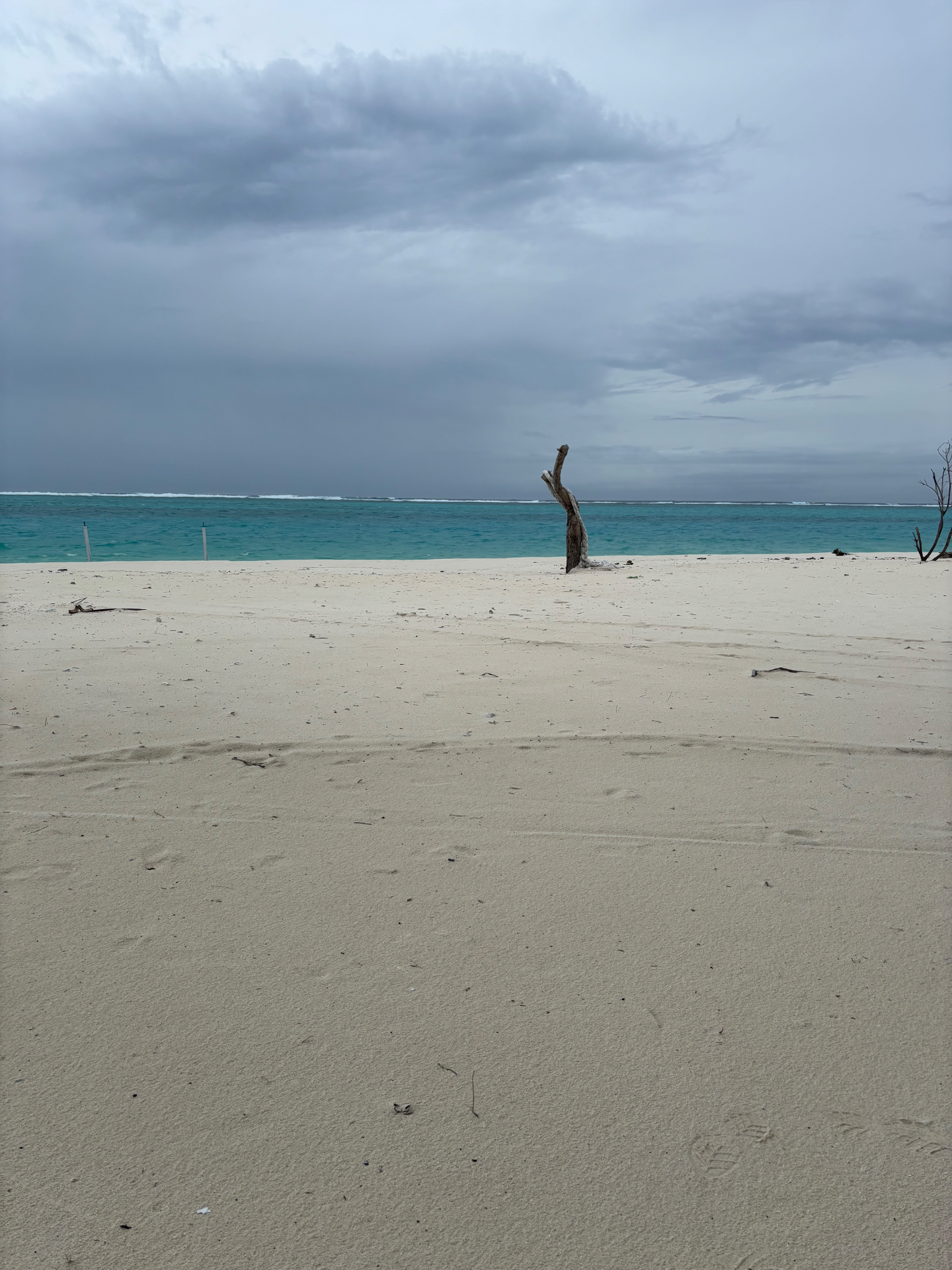
Lakshadweep is one of India’s unique island destinations.
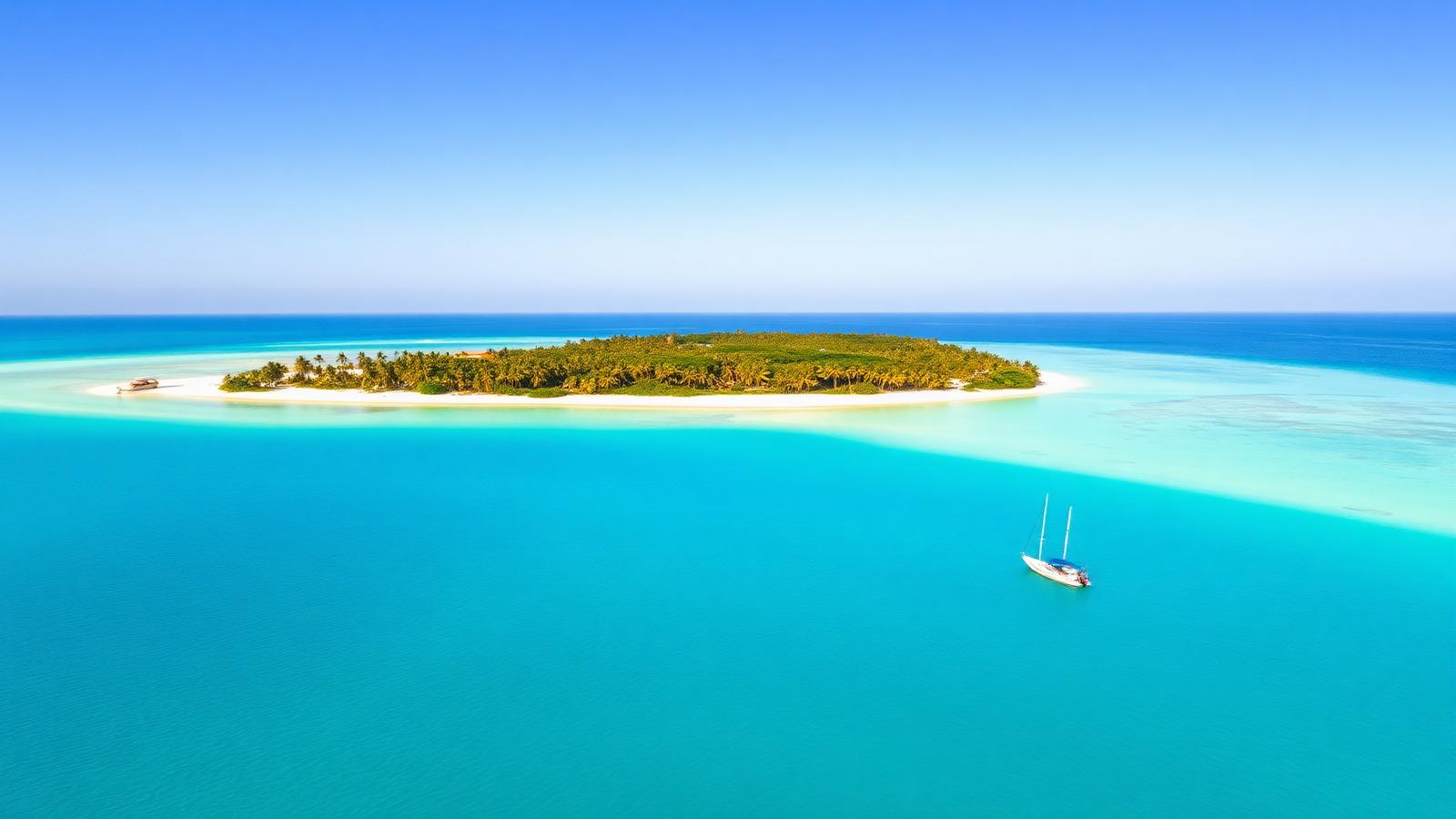
Its turquoise lagoons, coral ecosystems, beaches and island communities attract travellers looking for experiences beyond conventional tourism.
But travelling to an island destination requires planning.
Accommodation, transportation, boat services, activities and local experiences all need to work together.
This is where digital tourism can make a difference.
A traveller should be able to discover options, understand the available services and plan their journey without depending entirely on traditional intermediaries.
Coral Nest: Connecting Travellers With Local Communities
Coral Nest is a digital tourism platform focused on connecting travellers with tourism providers in Lakshadweep.
The platform brings together opportunities such as:
- Local stays
- Homestays
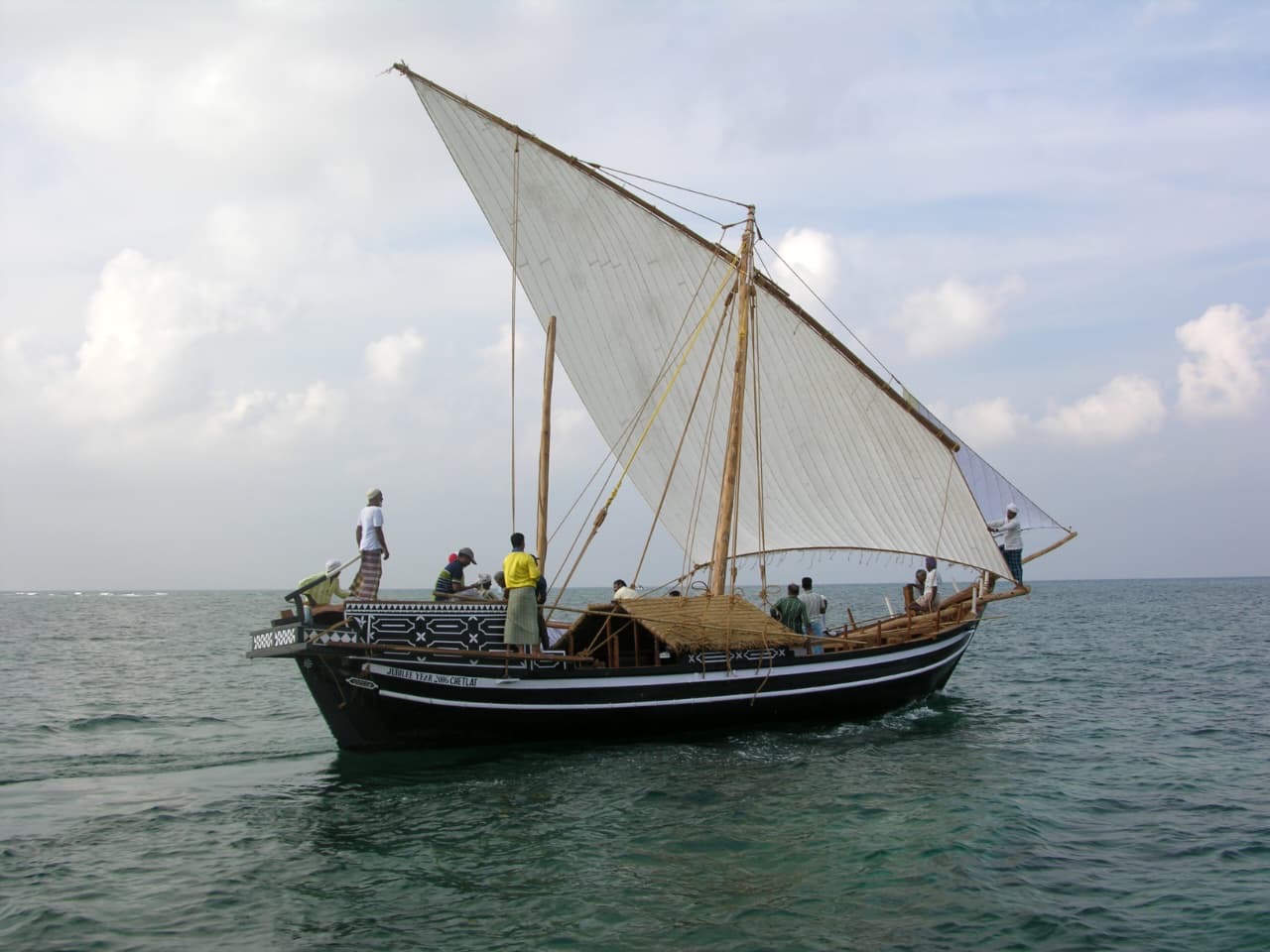
- Boats
- Activities
- Experiences
- Trip planning
The goal is to make it easier for travellers to discover and plan their Lakshadweep journey while creating opportunities for local tourism providers.
Travel. Experience. Empower.
This is the philosophy behind Coral Nest.
Tourism should not only bring visitors to a destination.
It should also create value for the people who live there.
Every Booking Can Help Local Communities
One of the important ideas behind community-based tourism is keeping tourism connected to local people.
When travellers book a local stay, boat or activity, they are not simply purchasing a service.
They are connecting with the people who provide that experience.
A local boat operator.
A homestay host.
An activity provider.
A local guide.
A small tourism business.
Digital platforms can help these providers reach travellers more easily.
For Lakshadweep, this can contribute to a tourism ecosystem where more local businesses can participate in the digital economy.
Making Lakshadweep Travel More Flexible
Not every traveller wants a traditional fixed package.
Some travellers want to plan their own journey.
A solo traveller may want affordable accommodation and local experiences.
A couple may want a combination of beaches, activities and relaxed stays.
A family may want comfortable accommodation and child-friendly experiences.
A group may want to compare different options before deciding.
Digital tourism allows travellers to explore these possibilities more easily.
Coral Nest aims to give travellers more flexibility while helping them discover local tourism providers.
Travel Without Unnecessary Complexity
Planning island travel can sometimes feel complicated when travellers have to communicate with multiple providers separately.
A digital platform can simplify discovery and planning by bringing relevant travel information together.
Coral Nest also follows a traveller-friendly approach where, for participating hosts and activities, travellers can pay after their stay or activity rather than making an advance payment.
Payment policies can vary by individual provider, so travellers should always check the terms shown for their selected service.
Digital Tourism Should Empower People
Technology is powerful, but tourism remains fundamentally human.
A digital platform can help you find a homestay.
But the host welcomes you.
A platform can help you discover a boat trip.
But the local operator takes you across the lagoon.
A platform can help you find an activity.
But the local people create the experience.
Technology should therefore be viewed as an enabler of tourism, not a replacement for the people who make destinations special.
Sustainable Tourism in Fragile Island Ecosystems
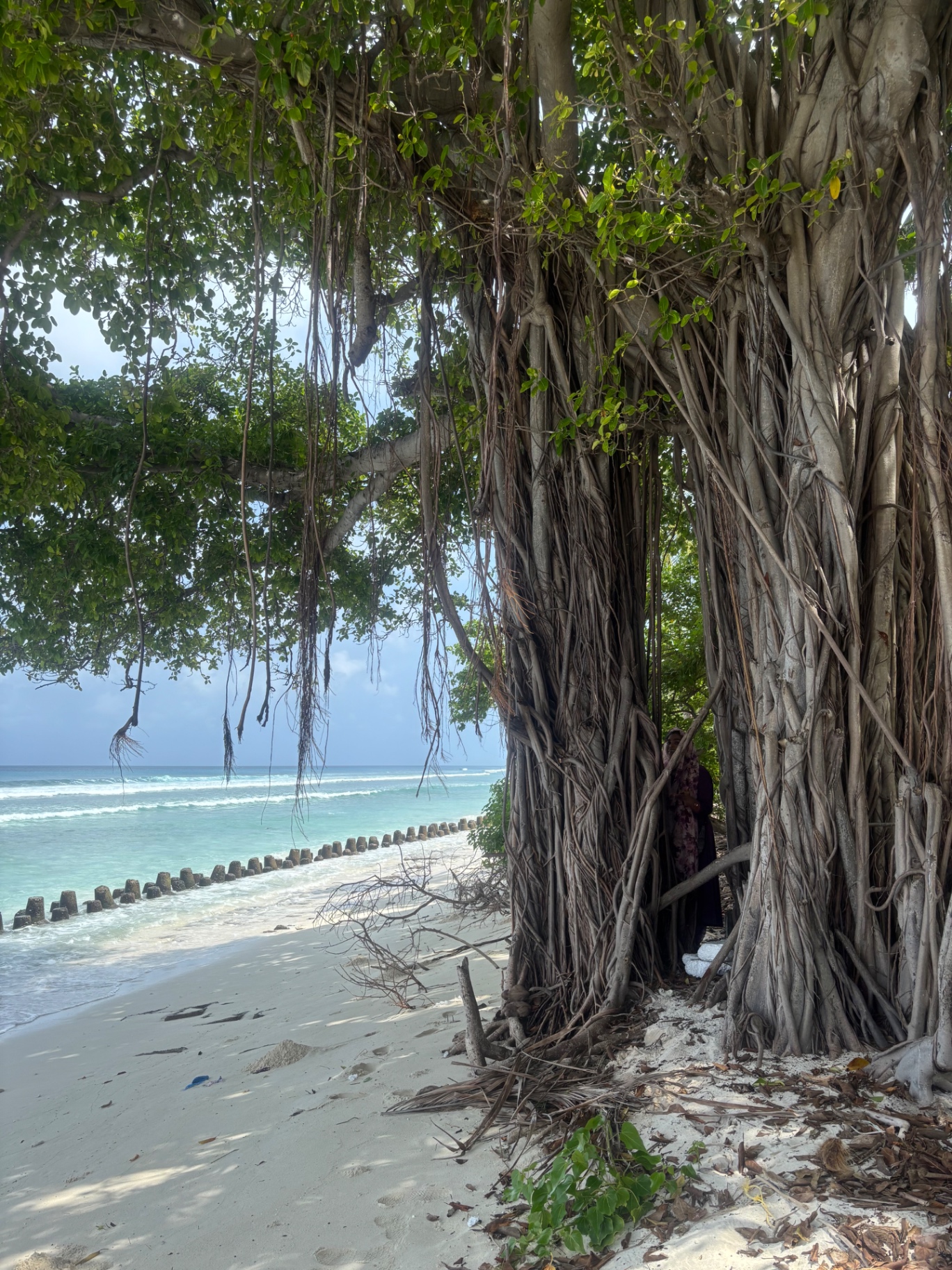
Lakshadweep’s natural environment is incredibly valuable and sensitive.
Responsible tourism needs to consider the impact of travel on coral reefs, marine ecosystems, beaches and island communities.
Digital technology can support responsible tourism by helping travellers access information before and during their journey.
Better information can encourage visitors to:
- Respect local communities
- Follow environmental guidelines
- Avoid damaging marine ecosystems
- Reduce unnecessary waste
- Choose responsible activities
- Understand local customs
The future of tourism should not simply mean more tourists.
It should mean better tourism.
The Future of Lakshadweep Tourism
The next generation of travellers is becoming increasingly comfortable with digital planning.
They search online.
They compare options.
They use AI.
They watch videos.
They read reviews.
They communicate through messaging platforms.
And they increasingly look for authentic experiences.
This creates an opportunity for Lakshadweep to build a tourism ecosystem where technology, local communities and responsible travel work together.
Why World Tourism Day Matters to Coral Nest
For Coral Nest, World Tourism Day is more than a date on the calendar.
It represents the future we believe tourism can move towards.
A future where:
Travellers can discover more easily.
Local businesses can reach more travellers.
Communities can participate in tourism.
Technology can simplify travel planning.
And destinations can be experienced responsibly.
Frequently Asked Questions
When is World Tourism Day?
World Tourism Day is celebrated every year on September 27.
What is the purpose of World Tourism Day?
World Tourism Day highlights the importance of tourism and its social, cultural, economic and environmental impact.
How is AI changing tourism?
AI can help travellers discover destinations, personalize recommendations, plan itineraries, compare options and access travel information more efficiently.
What is digital tourism?
Digital tourism refers to the use of digital technologies and platforms to discover, plan, book and experience travel.
How can I plan a trip to Lakshadweep?
Travellers can use digital platforms such as Coral Nest to discover local stays, boats, activities and experiences and plan their journey.
How does Coral Nest support local tourism?
Coral Nest connects travellers with local tourism providers, including accommodation providers, boat operators and activity providers, helping them reach travellers through a digital platform.
Can I travel to Lakshadweep without buying a traditional package?
Travel options depend on the destination, permits, transportation availability and individual service providers. Coral Nest is designed to help travellers explore individual stays and experiences rather than relying only on traditional packages.
Experience Lakshadweep Differently
The future of tourism is becoming more connected, more digital and more personalized.
But the heart of tourism will always remain people and places.
Technology can help you discover Lakshadweep.
Local communities help you experience it.
And responsible travellers help protect it for the future.
This World Tourism Day, let’s move towards a better way to travel.
Discover locally.
Travel responsibly.
Experience authentically.
Empower communities.
Coral Nest — Travel. Experience. Empower.
🌊 Explore Lakshadweep with Coral Nest:
Plan your Lakshadweep trip
Browse verified stays, surf guides, dive operators and permit help on Coral Nest.
Explore listings