The Cheapest Way to Travel to Lakshadweep in 2026 (And Why It Puts Money Back in Island Hands)
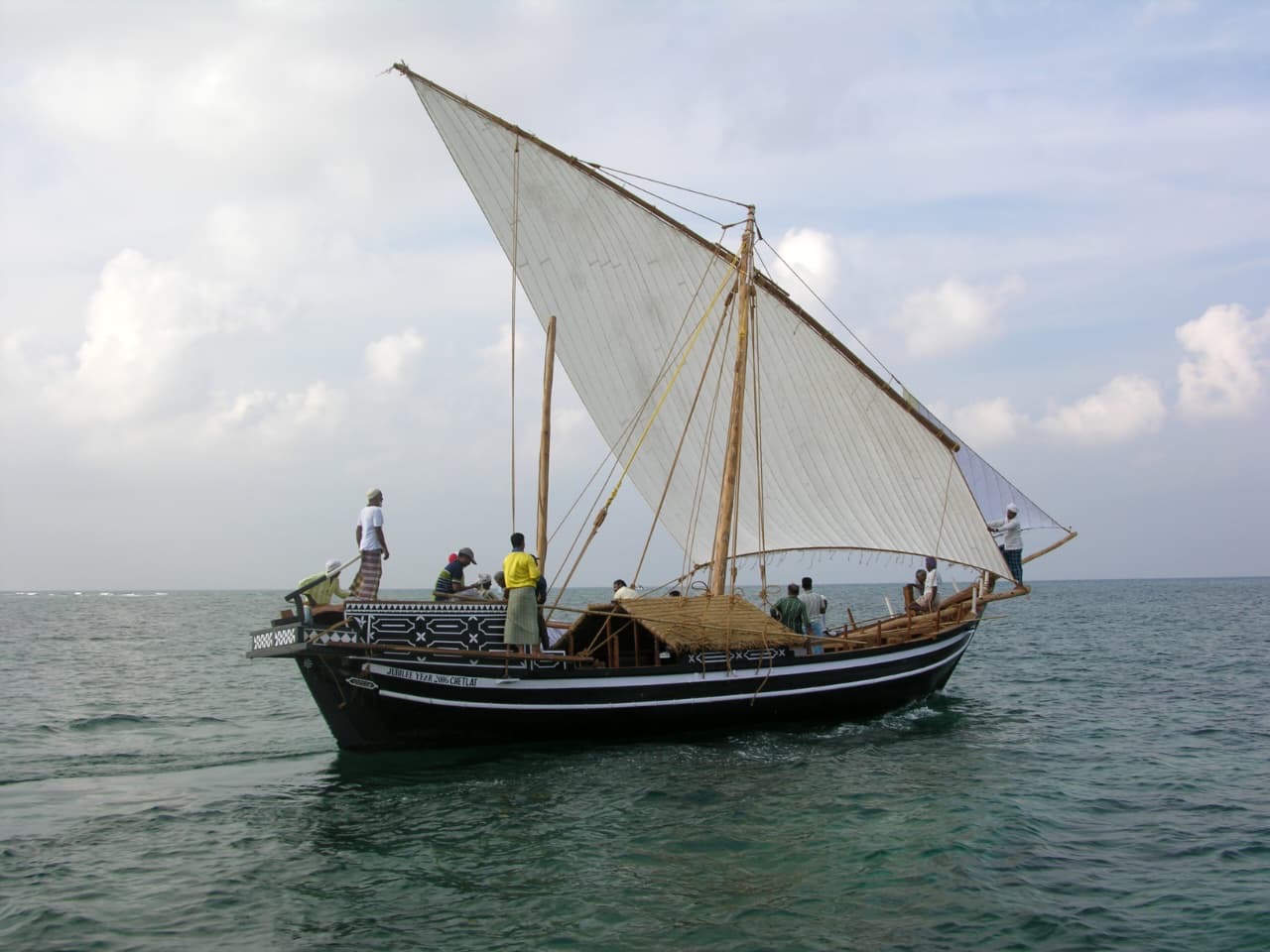
There's a moment every traveler to Lakshadweep remembers — the first time the ferry cuts through water so clear it looks photoshopped, and someone on deck says, almost to themselves, "this doesn't look real." What most people don't know is that the same trip that gives you that moment can cost a fraction of what mainland tour operators quote — if you know where to book it.
This is the story of how a Lakshadweep trip package built by the islanders themselves is quietly changing what an affordable Lakshadweep holiday looks like, one homestay at a time.
"The islands don't need fewer tourists. They need tourists whose money actually reaches them."
Why Every Lakshadweep Trip Cost Guide Gets It Wrong
Search "Lakshadweep trip cost" and you'll find packages quoting anywhere from ₹25,000 to ₹60,000 per person. Resort stays, bundled "all-inclusive" tours, agent commissions stacked three layers deep — by the time your payment reaches the island, a large chunk of it never actually lands there. It's absorbed by mainland operators, resellers, and middlemen who've never set foot on Agatti or Kadmat.
A Platform Built By the Islands, For the Islands
Coral Nest isn't a mainland travel agency that discovered Lakshadweep as a market opportunity. It's developed by local people from Lakshadweep — islanders who grew up watching visitors' money flow past their own community and straight into a tour operator's account on the mainland.
So the platform was built around one simple idea: cut out everyone standing between a traveler and the island family hosting them.
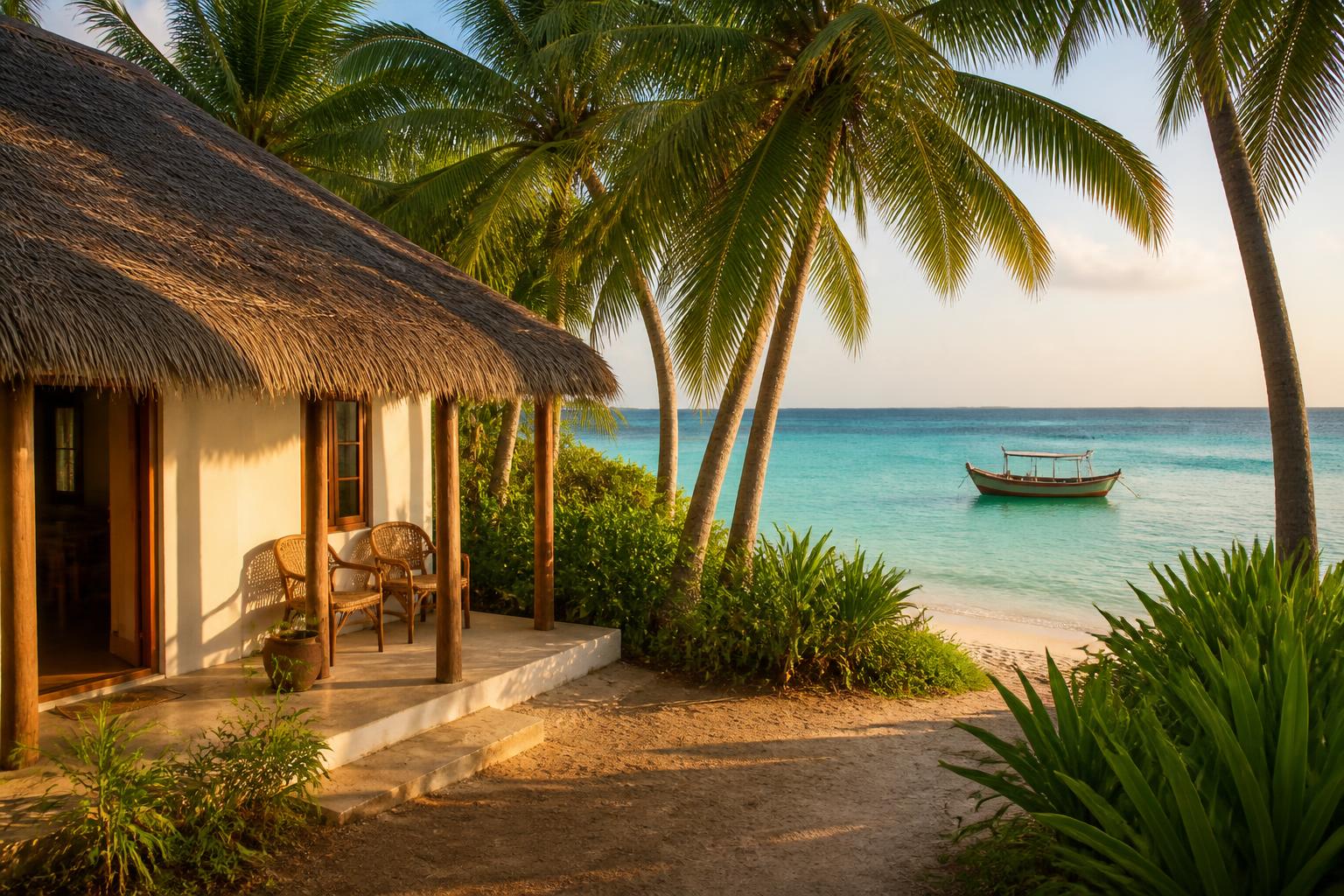
Every homestay listed on Coral Nest belongs to an actual islander. Every experience — a boat ride, a fishing trip, a scuba session — is run by someone who lives there, not a subcontracted vendor. When you book your Lakshadweep trip package through the app, there's no agent taking a cut in the middle. Your payment goes directly to the local host. No intermediary, no markup, no leakage.
What ₹7,000–₹9,000 Actually Buys You
Here's the number that surprises most first-time visitors: a homestay-based Lakshadweep trip through Coral Nest costs just ₹7,000 to ₹9,000 for a full 4-day, 5-night stay — and that includes a scuba diving session.
To put that in perspective, that's often less than what a single night at a resort package costs elsewhere, and you're getting almost a week on the island, staying with a local family, eating home-cooked island meals, and diving into some of the clearest lagoon waters in India.
This isn't a discount version of the "real" Lakshadweep experience — it's arguably the more authentic one. You wake up to the sound of the same shoreline your host has known their whole life. You learn where the untouristed beaches are because your host tells you, not because a brochure marked them with a star.
How the Homestay Model Keeps This Affordable
The math is simple once you see it: resorts have overheads — staff, imported supplies, marketing budgets, franchise fees — and all of that gets baked into your bill. A homestay doesn't carry that weight. You're paying for a room in someone's home, meals from their kitchen, and their time as a guide, not a hotel chain's profit margin.
- Your rupees stay in the island's economy instead of flowing back to a mainland head office
- Your host earns a livelihood directly, without an agent taking 20–30% off the top
- You get a lower price because the model is leaner, not because anything is being cut corners on safety or experience
It's a rare case where the cheaper option and the more ethical option are exactly the same choice.
Scuba Diving, Included — Not an Upsell
A lot of Lakshadweep packages treat scuba diving as a premium add-on, tacking on a few thousand rupees once you've already committed to the trip. On Coral Nest, it's part of the homestay package itself — because the same islanders hosting you often are the ones running the dive sessions, or know exactly who to connect you with.
You don't need to be a certified diver to try it. A guided introductory dive is usually enough to see the coral reef systems that make Lakshadweep one of the most underrated diving destinations in the Indian Ocean — at a price mainland dive centers elsewhere in India would laugh at.
Booking Your Trip: What to Expect
Browse verified homestays
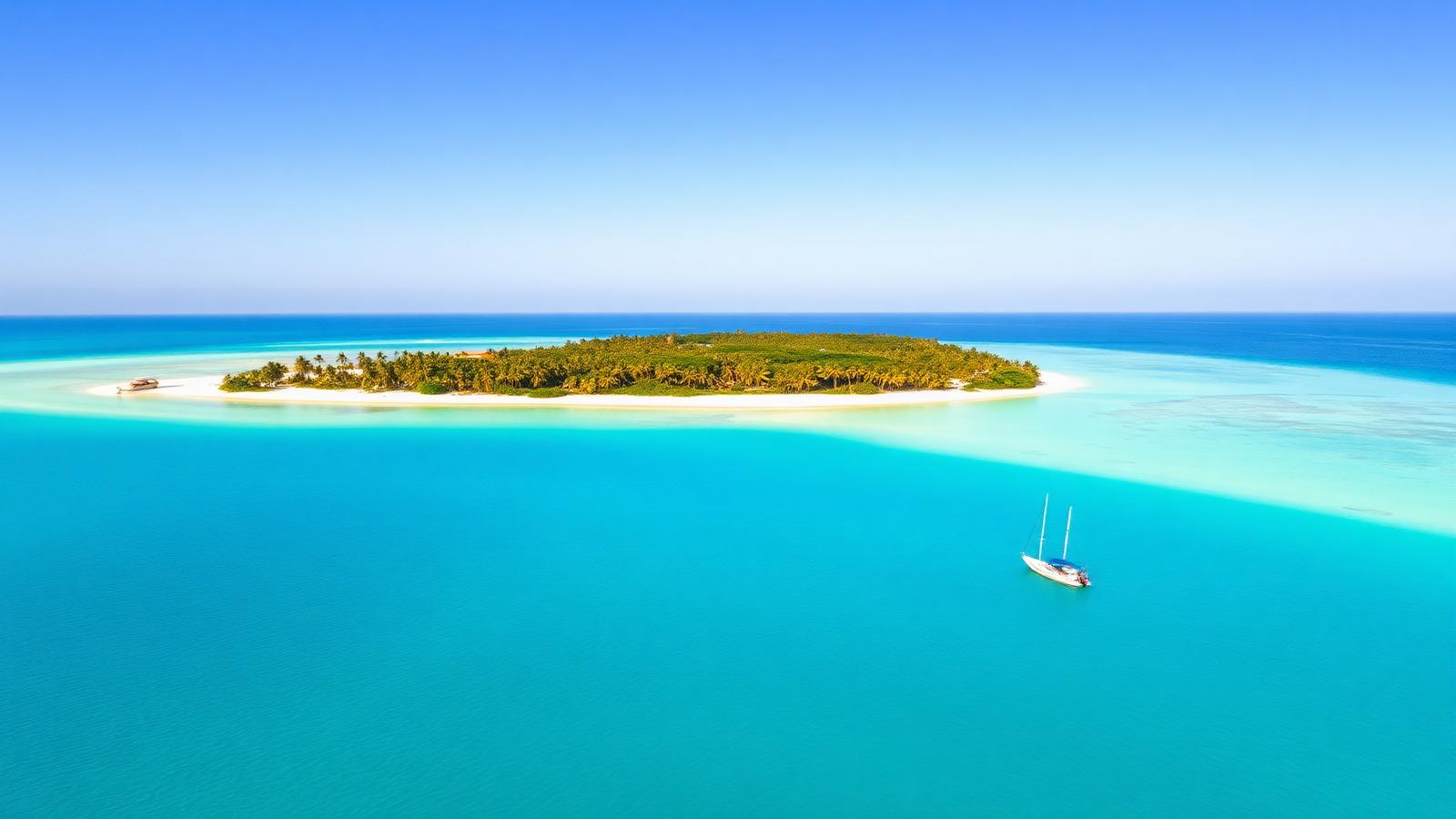
Agatti, Kadmat, Minicoy, and more — each listed directly by the host so you know exactly who you'll be staying with.
Check permit requirements
Lakshadweep requires a SPORTS entry permit. The platform helps guide you through this step so it isn't a last-minute scramble.
Book direct
No agent, no call center, no commission layer. You're booking with the person who'll actually greet you when you land.
Arrive and settle in
Homestay, meals, and your scuba session are part of the same simple package — just show up and let the island host you.
The Bigger Picture
Every booking made this way is a small vote for a different kind of tourism — one where the islands aren't just a backdrop for someone else's business model, but the actual beneficiaries of the people who visit them. For every traveler getting a ₹7,000–₹9,000 trip of a lifetime, there's an island family earning a fair, direct income from hosting them — no middleman required.
That's the real reason this is the cheapest way to travel to Lakshadweep. It's not a discount engineered by cutting quality. It's what happens when you remove everyone who doesn't need to be in the transaction — and let the islands host you, directly.
Ready to book?
Explore verified homestays, scuba experiences, and permit help on Coral Nest.
Explore listingsPlan your Lakshadweep trip
Browse verified stays, surf guides, dive operators and permit help on Coral Nest.
Explore listings