Why We Built Coral Nest
"Why are locals not part of the decision-making process or beneficiaries in this tourism boom?"
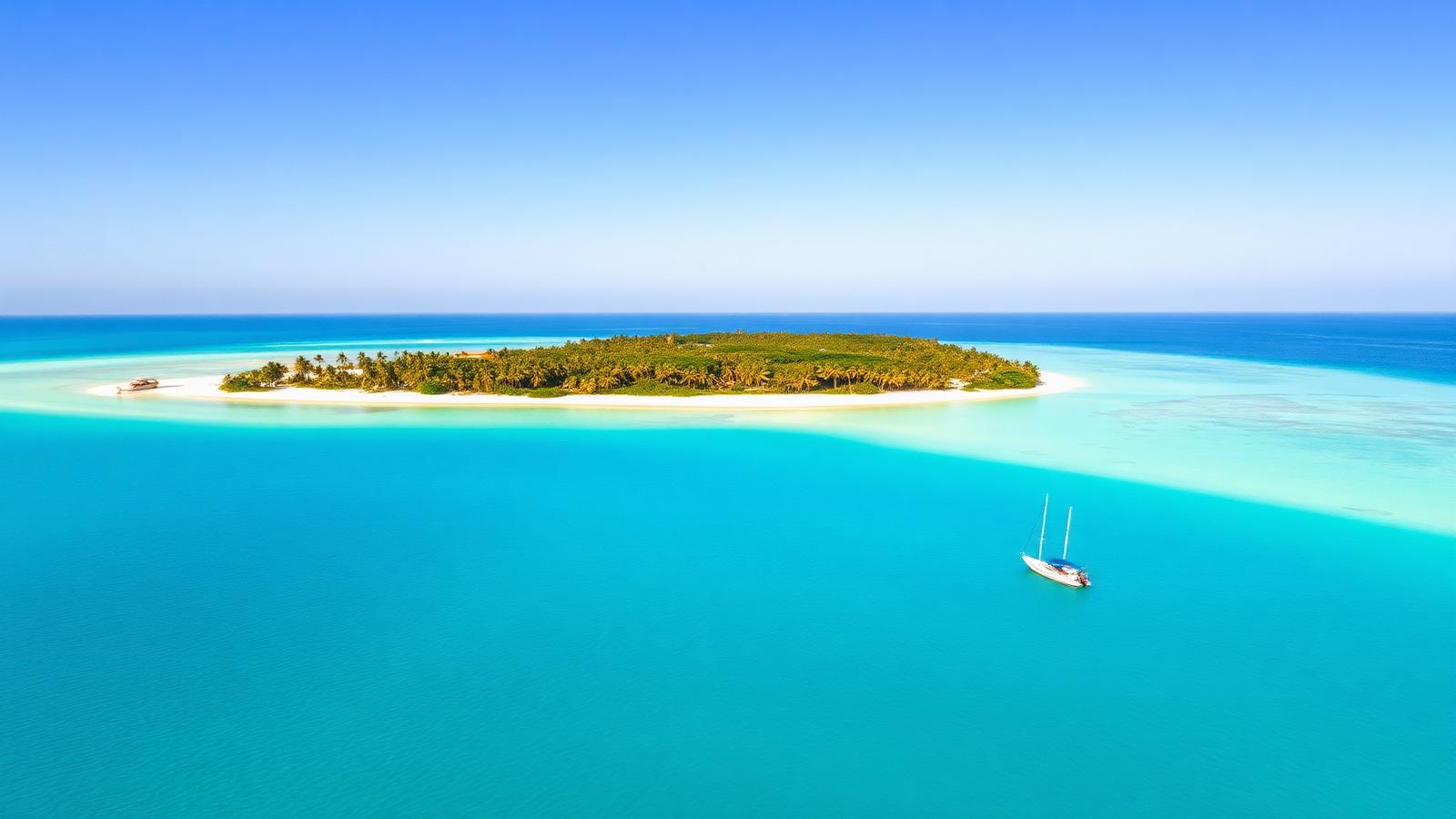
Maybe you saw a photo — that impossible shade of turquoise water, the white sand so clean it looks rendered. You open Google and type: "how to book Lakshadweep trip."
You find a dozen travel agencies — all based in Kochi, Chennai, or Delhi. You find resort packages that cost ₹40,000 per night. You find permit information that's three years out of date. You find forum threads on Reddit and TripAdvisor where confused travelers are asking the same questions you are, and getting half-answers from strangers who visited once in 2019. You find no way to contact anyone who actually lives there.
You eventually book something through a mainland operator, pay a package price, and fly in. The resort is beautiful. The lagoon is everything the photo promised. But somewhere on the third day, sitting on that beach, you realize: almost everyone serving you — the tour operator, the resort brand, the ferry booking agent — is from somewhere else. The money you spent flowed almost entirely off the island before you even arrived.
That's the problem we built Coral Nest to solve.
The Invisible Economy of Lakshadweep
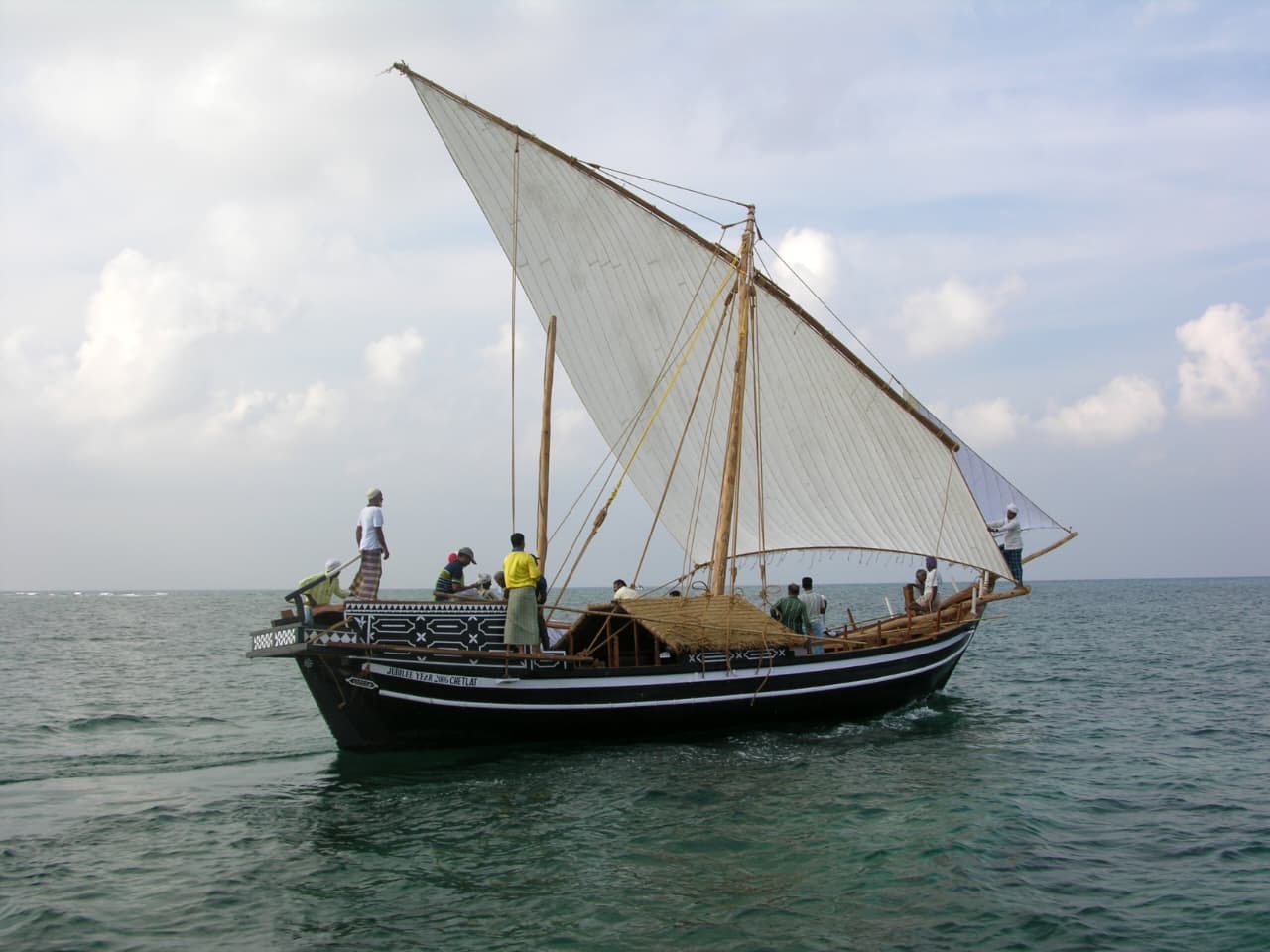
Lakshadweep is not poor in beauty. It has 36 islands of staggering natural wealth — coral reefs that marine biologists travel across the world to study, lagoons of a blue that has no name in most languages, a culture layered with Malabar, Maldivian, and seafaring heritage that is entirely its own.
But economically, the islands face a paradox that development economists call tourism leakage — where tourism revenue is generated in a place but doesn't stay there. When hotels, booking platforms, and tour operators are owned by outsiders, profits flow back to wherever the owners are headquartered. The community hosts the tourism but doesn't own it.
42% labour force participation
Among the lowest in India, against a national average of 60.5%.
47% growth in domestic visitors
In 2024 alone — but with no infrastructure to channel that growth into local hands.
30–40% mainland margins
Typical share taken by mainland aggregators on packaged Lakshadweep trips.
36 islands, one missing layer
No host-first booking platform built for and by islanders — until now.
Locals are already raising this question directly. The anxiety isn't about tourism itself — most experts agree that a well-managed tourism boom could genuinely improve islanders' livelihoods. The anxiety is about who controls it, who benefits, and whether the community gets a seat at the table.
"Why are locals not part of the decision-making process or beneficiaries in this tourism boom?"
That question deserves an answer that isn't just rhetorical.
What Was Missing: A Platform Built for Island Hosts
When we looked at how Lakshadweep tourism worked end-to-end, we found a broken infrastructure.
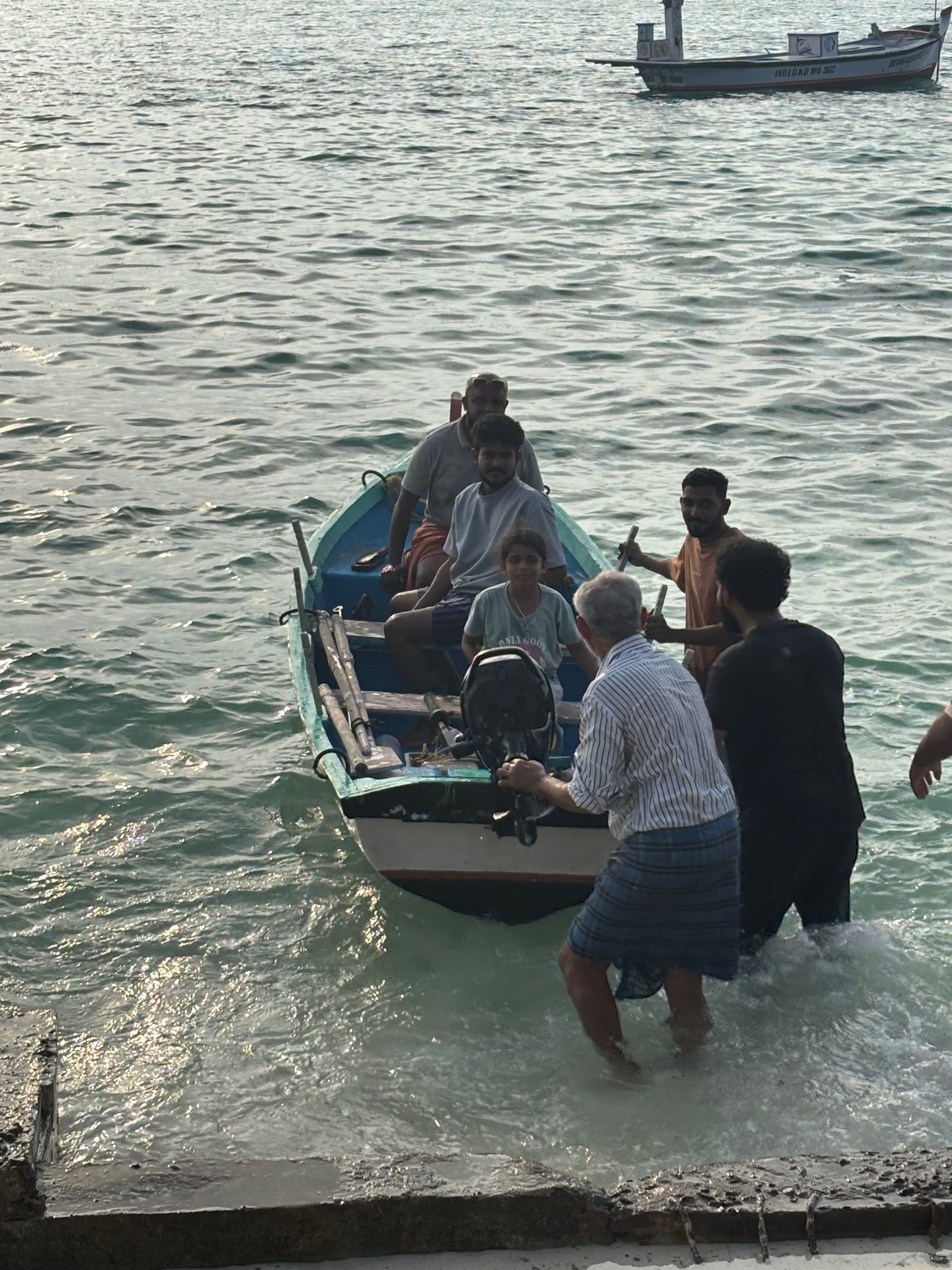
A traveler in Mumbai who wanted to visit had no direct way to reach a host family in Kadmat. There was no reliable, centralized place to book a local homestay, hire a fishing guide, or arrange a lagoon kayaking experience run by someone who has paddled those waters since childhood. The entire booking chain ran through mainland intermediaries.
Meanwhile, talented, resourceful local islanders — families with spare rooms, boat owners, fishing guides, cooks who know 20 ways to prepare tuna — had no digital storefront. No way to receive a booking. No way to set their own price. No way to build a reputation across visitors.
The result: tourism grew, but the economic infrastructure to channel that growth into community hands simply didn't exist. Coral Nest is that infrastructure.
What Coral Nest Actually Does
We're not another travel agency. We don't buy packages wholesale and resell them. We don't have our own resorts to fill.
Coral Nest is a host-first marketplace — a platform where local Lakshadweep islanders list what they offer, on their own terms, and travelers book directly with them.
A family in Agatti can list their spare room. A boat owner in Minicoy can list a full-day snorkeling trip. A local guide in Kavaratti can list a heritage walk through the island's mosques and coir workshops. A panchayat can partner with us to offer community experiences that don't exist anywhere else.
We handle the digital infrastructure — the listing, the payment, the permit guidance, the discovery. The host keeps the earnings.
Booking stays local
Revenue goes directly to the person who provides the experience, not to a mainland aggregator taking a 30–40% margin.
Hosts build identity
A profile, reviews, and a pricing history that belongs to them — not to a package brand they'll never own.
Travelers get something real
Not a curated resort experience designed in a boardroom, but an actual connection to the islands and the people who call them home.
The Deeper Reason
We could have built a cleaner booking experience for the same mainland agencies that already exist. That would have been an easier business. We didn't, because we think the opportunity here is rarer than that.
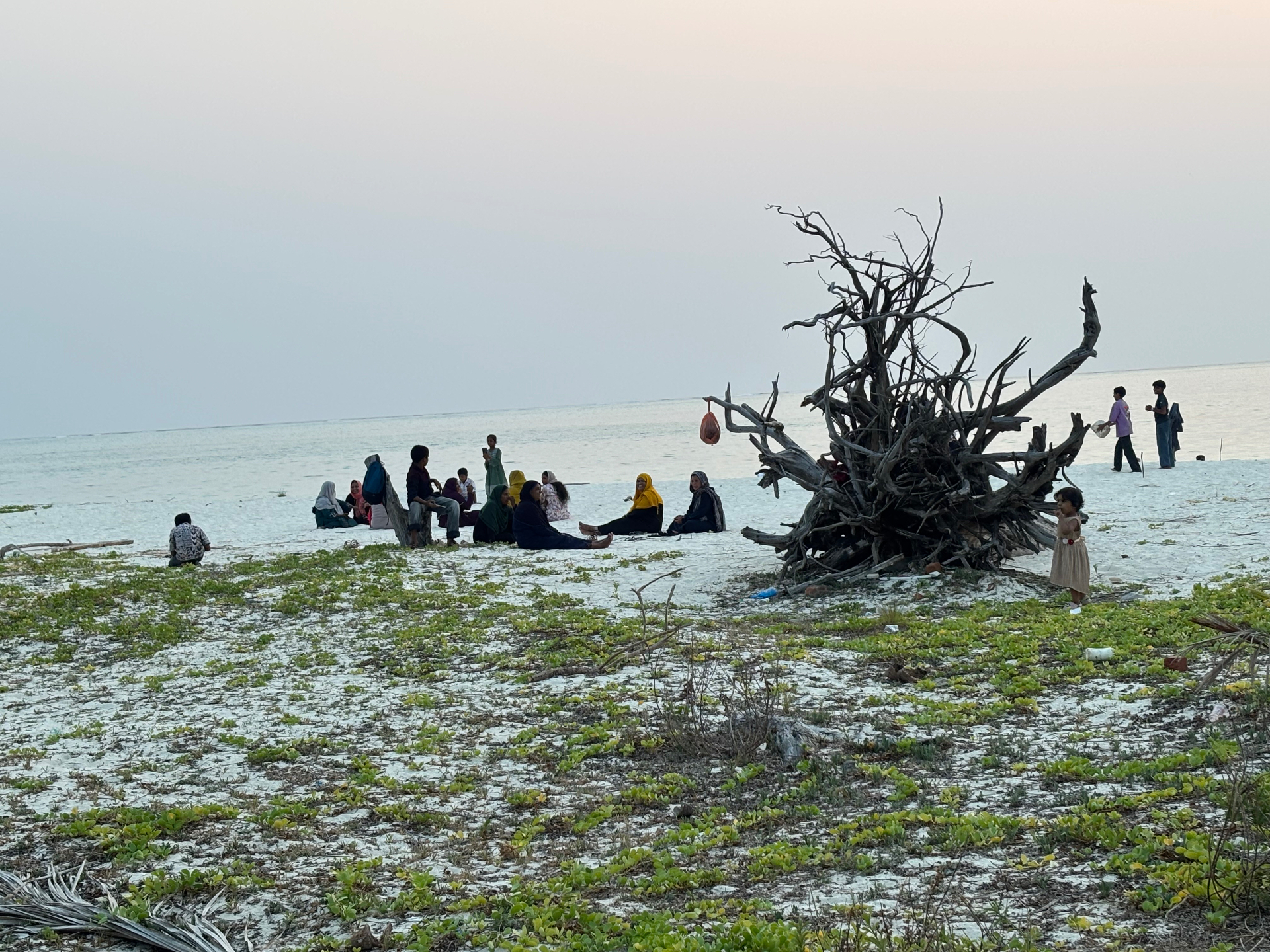
Lakshadweep is one of the last places in India where mass tourism hasn't already arrived and eroded everything distinctive about the place. The permit system — often seen as a bureaucratic inconvenience — is actually a gift. It keeps visitor numbers managed. It slows the kind of commercialization that hollowed out other coastlines.
But that window won't stay open forever. As domestic travel grows and awareness of Lakshadweep spreads, the infrastructure that gets built in the next three years will determine whether the islands' tourism economy is owned by islanders or by the same mainland interests that dominate everywhere else.
We're building Coral Nest to make sure it's the former.
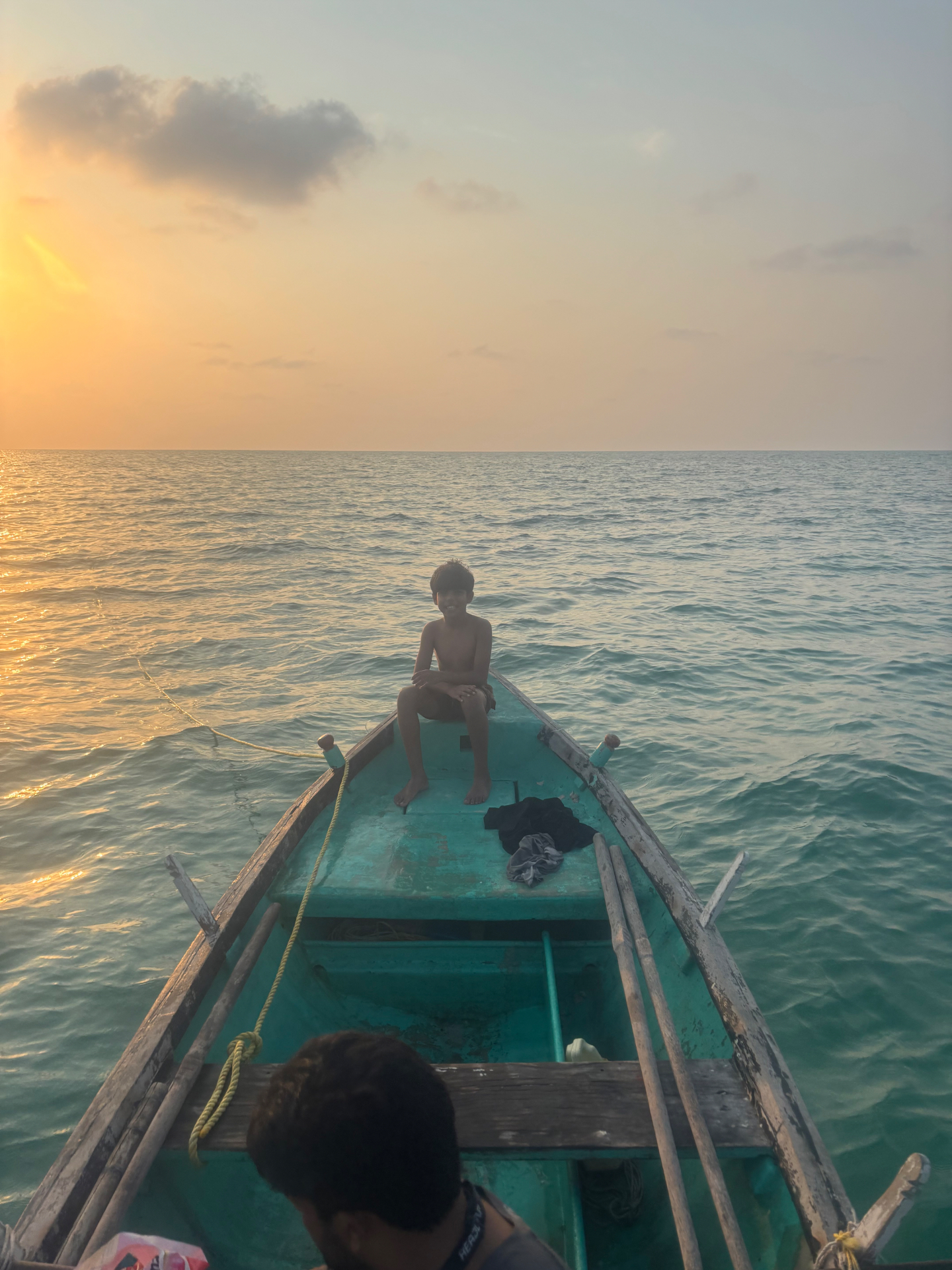
Because a fisherman's family should earn from a guest sleeping in their home. Because a woman who cooks the best tuna curry on Kavaratti should have a booking page. Because the 42% of Lakshadweep's workforce that isn't currently employed shouldn't have to leave the islands to find dignity in work.
And because the traveler who comes looking for something real deserves to find it — not a package, not a brochure, but a place and the people who belong to it.
Coral Nest is live
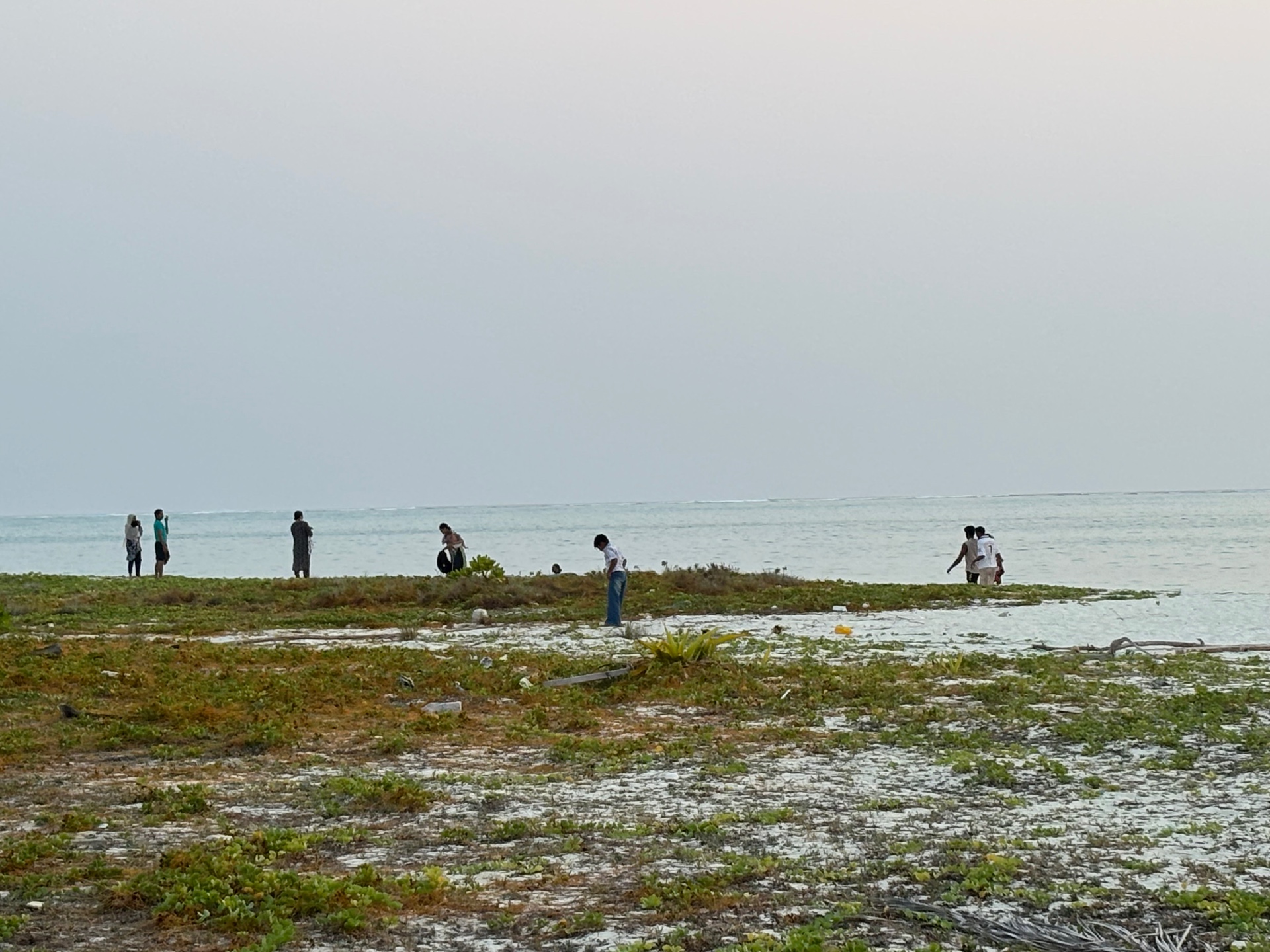
If you're from Lakshadweep and want to list your space or experience, we'll love to have you. If you're planning a trip, book directly — and let the islands keep what they earn.
Visit coralnest.co.inPlan your Lakshadweep trip
Browse verified stays, surf guides, dive operators and permit help on Coral Nest.
Explore listings