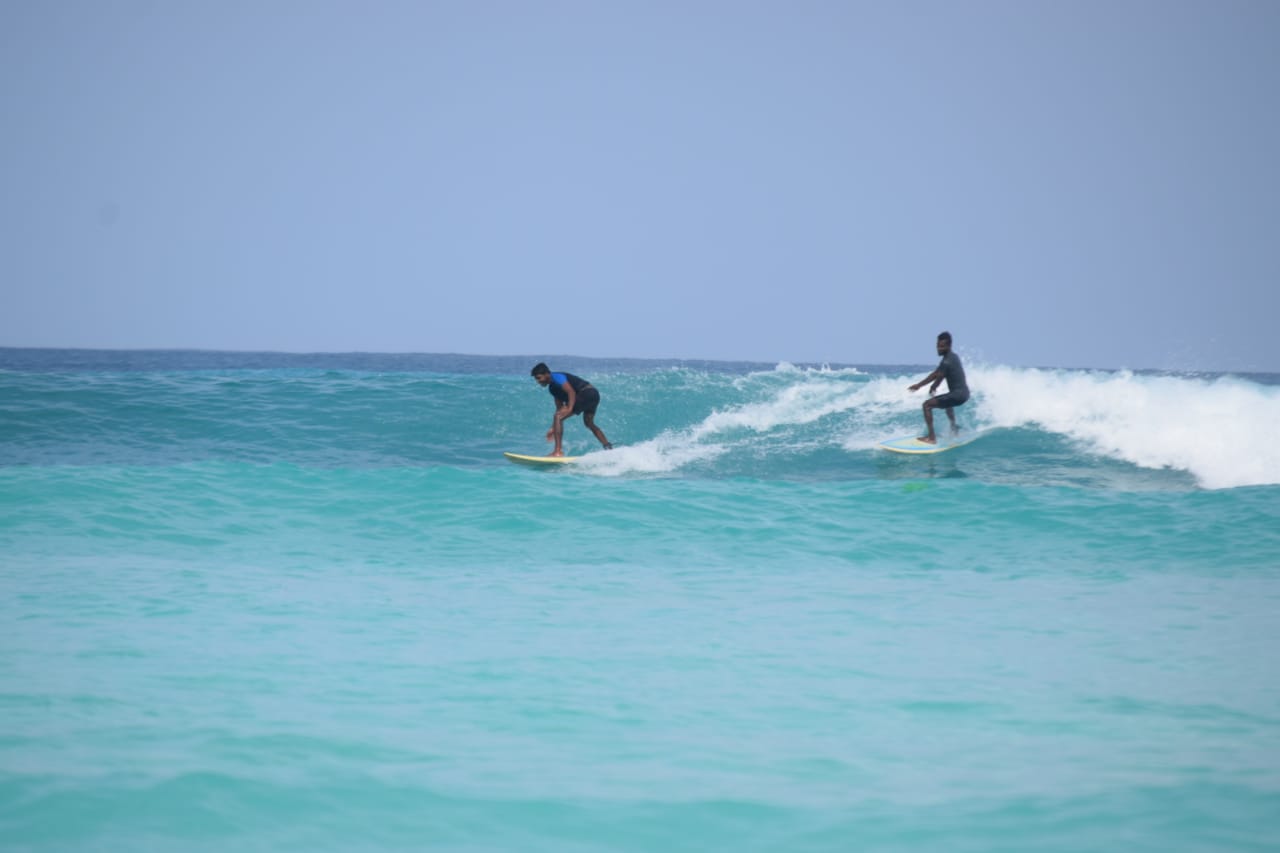
Surfing in Lakshadweep: India's Most Beautiful Wave You've Never Heard Of
"You paddle out over a coral garden, the lagoon glowing turquoise around you. The wave reels in clean, the wind is offshore, and there is not a single other surfer in sight. This is not Indonesia. This is India."
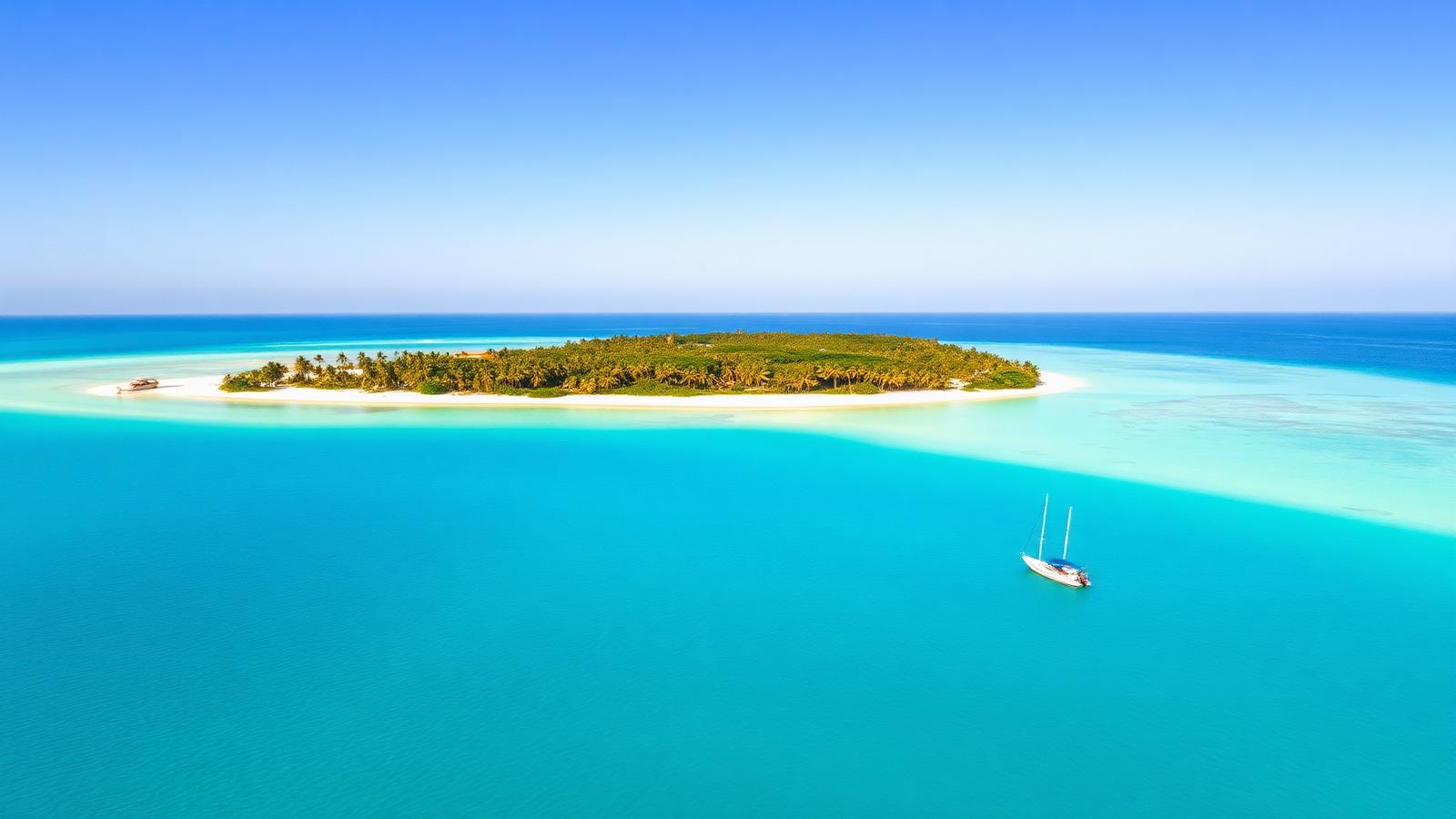
Lakshadweep is India's smallest union territory — 36 coral islands scattered 200–400 km off the Kerala coast. Most travellers come here for the snorkelling and the silence. A small, growing few are coming for something else: some of the cleanest, most uncrowded reef surf in the country.
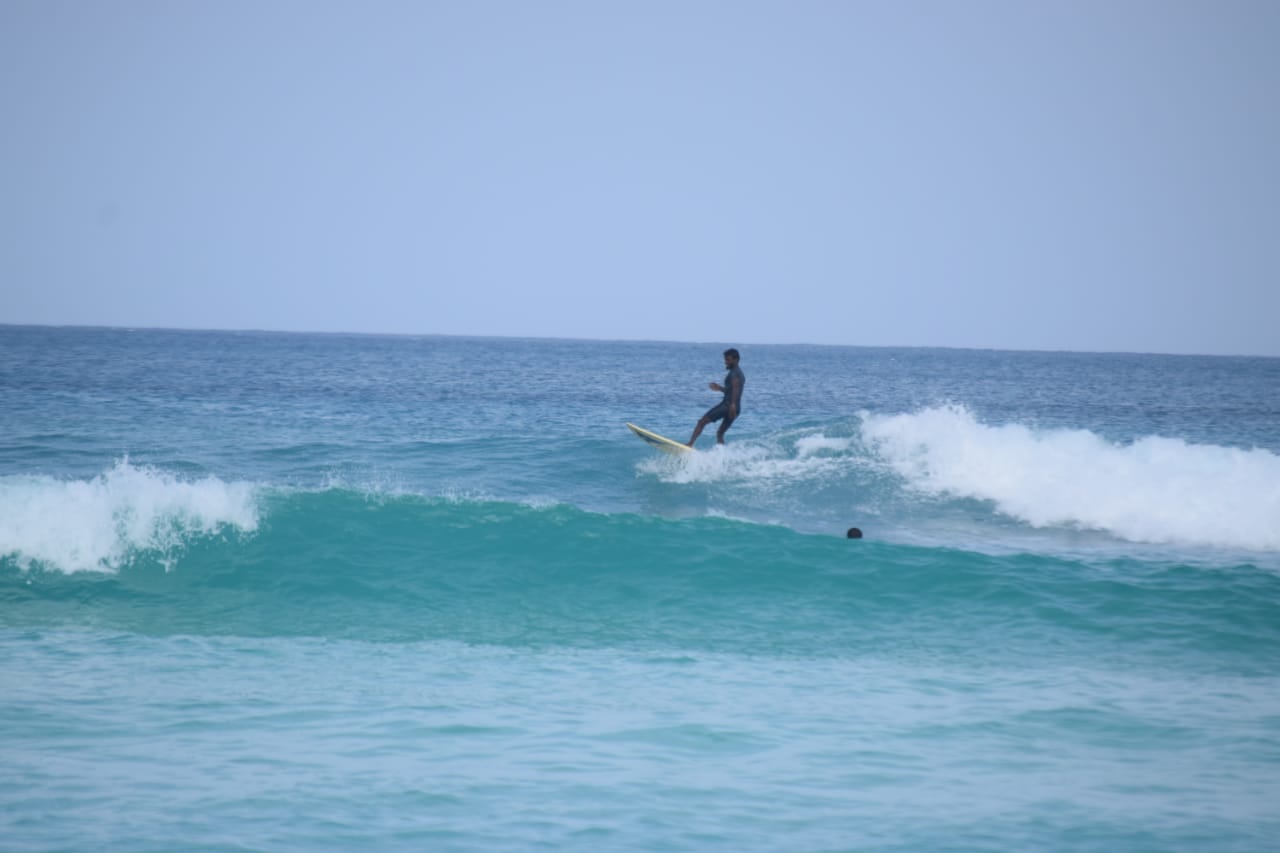
Why Lakshadweep waves are different
Reef-shaped waves
Coral reefs around every atoll filter the swell into long, predictable walls instead of messy beach-break shore-pound.
Uncrowded line-ups
Visitor numbers are capped by permit. On most sessions, you and your group are the only surfers in the water.
Offshore trade winds
Steady easterlies for most of the season groom the wave faces clean and hold them up that extra second longer.
25–30m visibility
You can watch the reef pass beneath your board and see the wave shape long before it reaches you.
Permit exclusivity
Entry is regulated. That's the reason the reef is still alive, the beaches still empty, and the surf still yours.
Warm water, year-round
Sea temperatures sit around 28–30°C. Boardshorts or a rash vest is all you need — no wetsuit, ever.
When to go: a season guide
Lakshadweep has a clear surf calendar. The southwest monsoon brings the size, the post-monsoon brings the cleanest conditions, and the winter window is the friendliest for beginners.
| Window | Conditions | Best for |
|---|---|---|
| Oct – Feb | Glassy lagoons, knee–waist clean reef, light winds | Beginners, longboarders, families |
| Mar – May | Warm, calm, occasional small groundswell | Learners, snorkel + surf combos |
| Jun – Sep | SW monsoon swell, head-high+ reef breaks (access limited) | Experienced surfers on guided trips |
| Jul – Sep | Biggest, cleanest reef days when wind cooperates | Confident surfers chasing empty walls |
A day in the water
Five in the morning. The sky is still mauve, the lagoon dead flat. You walk across cool sand with the board under your arm, past sleeping fishing boats. The reef is a dark line 200 metres out, and you can hear it before you see it — a soft, regular hiss as the swell unloads onto coral.
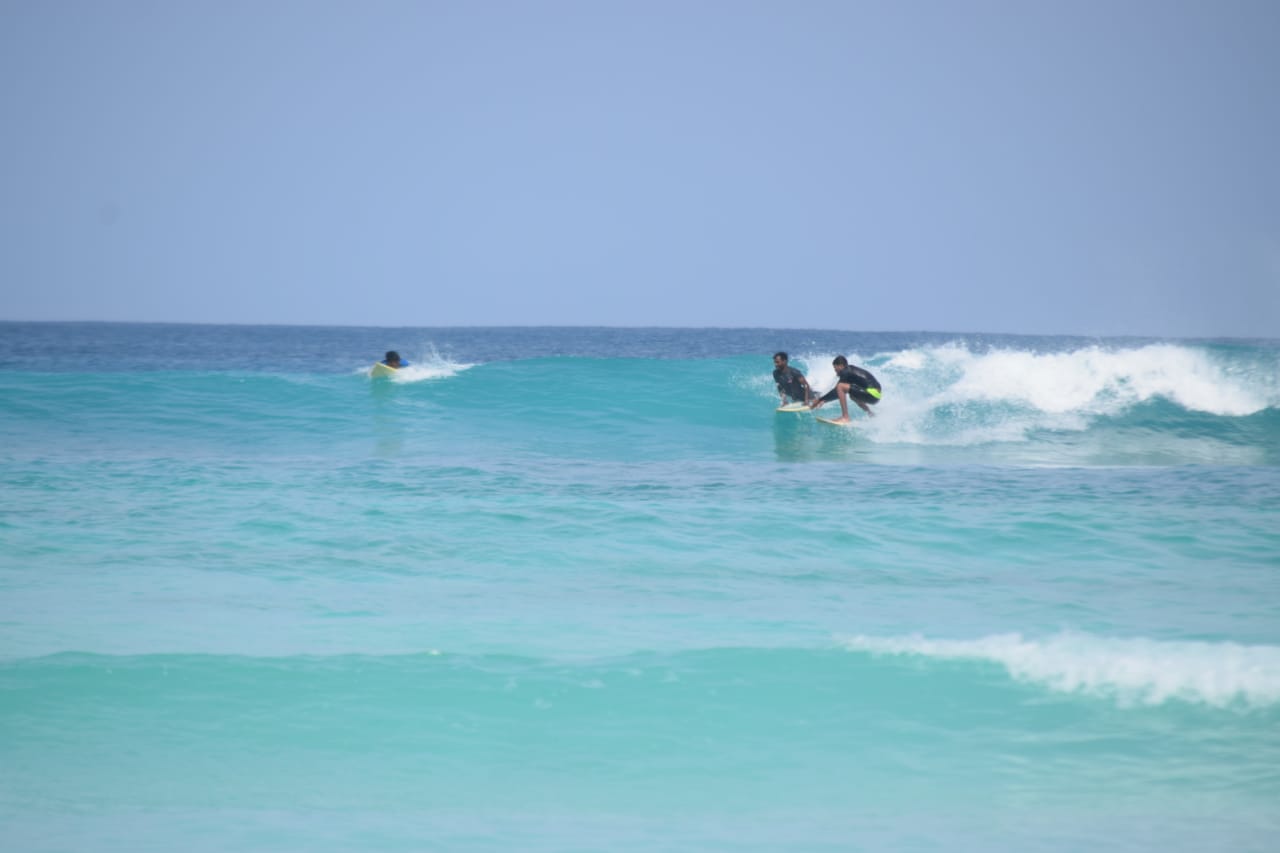
You paddle through the channel — no duck-diving, no whitewater, just a gentle current that does the work for you. The first wave comes through chest-high, glassy, and impossibly slow. You stand up almost without thinking. The wave runs for thirty, forty metres along the reef and finally fattens into the lagoon. You kick out laughing. There is nobody to high-five. Just a reef shark passing twenty feet below, completely uninterested.
By eight you're back on the beach with cardamom chai and warm puttu from a tin lunchbox. By nine the wind picks up and the session is done. The rest of the day is yours: snorkel the drop-off, nap in a hammock, eat fresh tuna grilled over coconut husk. Repeat tomorrow.
Island by island
Kadmat
Best all-rounderLong, sheltered lagoon, easy reef pass, and the most consistent beginner-friendly waves in the chain. The default first stop for visiting surfers.
Kavaratti
Capital + cultureThe territory's capital. Calmer surf, but the best base for permits, logistics, and combining a session with town life and seafood.
Kilthan
Quietest line-upSmall, remote, and rarely visited. Reef breaks here can deliver waist-to-chest perfection with nobody in the water — when you can get there.
Minicoy
The southern jewelThe southernmost inhabited island. Distinct Mahl culture, a huge lagoon, and exposed reef on the windward side that picks up the most swell.
Agatti
Your gatewayThe only island with an airstrip. Most trips start here. Mellow inside-lagoon waves are ideal for a warm-up session before you island-hop.
Bangaram
Day-trip dreamUninhabited resort island with crystal water. Great for an easy, scenic surf-and-snorkel day if your itinerary allows.
Before you fly: 6 practical tips
Bring your own board
Rental stock is thin and inconsistent. A 7'0"–8'0" funboard or mid-length covers 90% of conditions. Travel with a padded bag.
Reef booties are non-negotiable
The reef is alive — and sharp. Booties protect you and protect the coral when you have to walk in shallows.
Start your permit early
Entry permits take 15–30 days to issue. Apply at least a month out, and confirm flights/ships only after the permit is in hand.
Alcohol is restricted
Most inhabited islands are dry. Bangaram is the main exception. Plan accordingly — and frankly, you won't miss it.
Respect reef etiquette
Never stand on live coral. Don't kick the bottom paddling out. If you wipe out shallow, fall flat, not feet-first.
Pack reef-safe sunscreen
Oxybenzone-based sunscreens bleach coral. Bring zinc or mineral-based reef-safe options — it's a small choice with a big footprint.
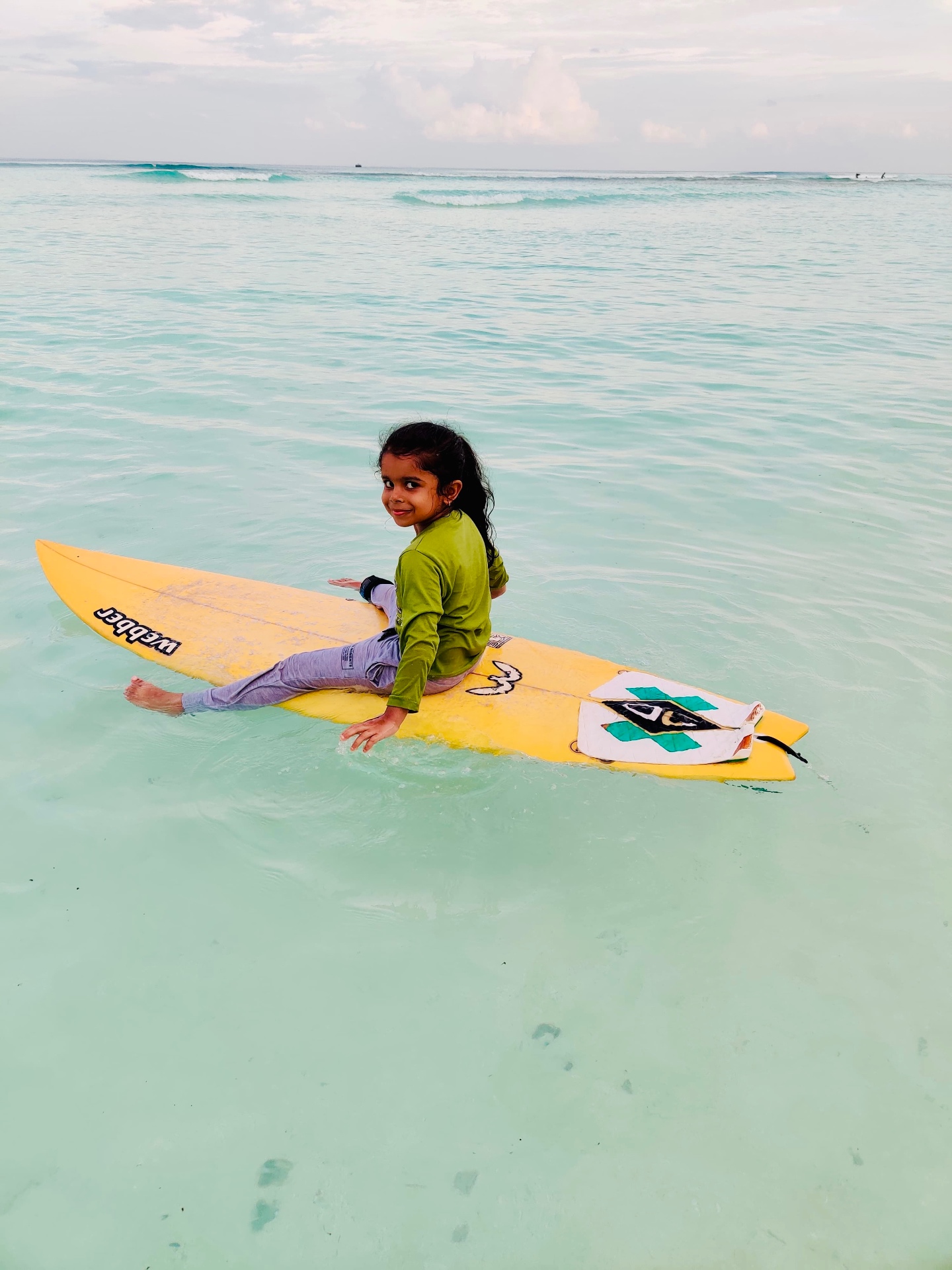
Surfing as conservation
Every wave here exists because of the reef. Bleach the coral, flatten the reef, and the wave disappears with it — that's not a metaphor, it's hydrodynamics. So the surfers who come to Lakshadweep have a direct, selfish reason to care: the health of the reef is the existence of the wave.
Coral Nest exists to keep that loop honest. We work only with local hosts, cap group sizes, route a share of every booking into community-led reef monitoring, and refuse listings that damage the lagoons they sell access to. Surfing in Lakshadweep isn't just lower-impact travel — done right, it actively funds the reef that makes it possible.
Plan your Lakshadweep surf trip
Verified stays, local surf guides, permit help, and honest island advice — all on Coral Nest.
Visit coralnest.co.inPlan your Lakshadweep trip
Browse verified stays, surf guides, dive operators and permit help on Coral Nest.
Explore listings